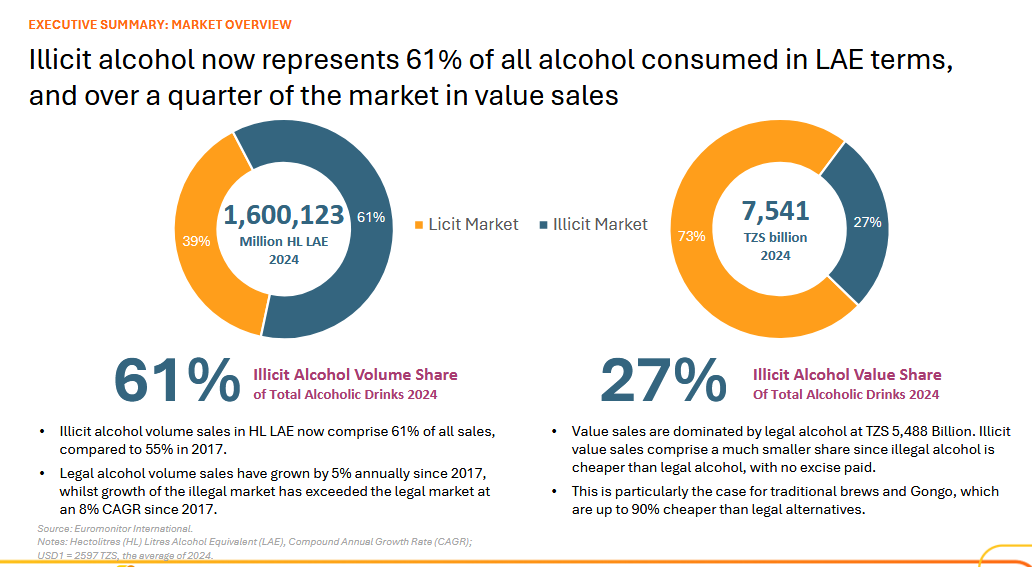
Dar es Salaam, February 5, 2026 - Illicit alcohol remains one of the most persistent and costly challenges facing Tanzania’s public health system, government revenue base, and legitimate manufacturing sector. A newly released study reveals that 61 percent of all alcohol consumed in Tanzania is illicit, costing the country an estimated TZS 1.026 trillion every year in lost tax revenue while exposing millions of consumers to serious health risks.
The findings were unveiled today in Dar es Salaam during the official launch of a comprehensive study conducted by Euromonitor International on behalf of the Confederation of Tanzania Industries (CTI), in collaboration with Serengeti Breweries Limited (SBL). The event brought together senior government officials, industry leaders, researchers, and the media in a rare, data-driven dialogue on the scale, drivers, and consequences of the illicit alcohol trade.
A regional problem with local consequences
The Tanzania findings mirror a troubling regional trend. Similar Euromonitor studies conducted in Kenya and Uganda in 2025 found that illicit alcohol accounts for 60 percent and 67 percent of total alcohol consumption, respectively. In Tanzania, however, the study shows the problem has worsened over time, rising from 55 percent in 2017 to the current 61 percent.
Illicit alcohol, as defined in the study, includes products that fail to comply with tax, regulatory, and legal requirements. This ranges from alcohol on which excise duties have not been paid, to products lacking mandatory health permits, using unapproved ingredients, or distributed through unlicensed outlets. Informal distribution channels, particularly in developing economies, continue to dominate the market.
The study finds that illicit alcohol cuts across all categories: spirits, beer, and wine, but is overwhelmingly driven by illegal artisanal brews and traditional beverages such as mbege, komoni, wanzuki, ulanzi, and dengerua. While culturally rooted, their dominance is largely explained by affordability. Gongo, which is prohibited, can be up to 80 percent cheaper than legal spirits.
Heavy economic losses and unfair competition
According to the study, gongo alone accounts for TZS 709 billion in annual revenue losses. Additional losses stem from counterfeit alcohol, smuggled products, and tax leakage where excise duties are partially or entirely evaded.
These losses have far-reaching implications. Taxes from the alcohol sector support essential public services, including health, education, infrastructure, and industrial development. Illicit trade not only deprives the government of these resources but also undermines fair competition, disadvantaging compliant manufacturers and distributors.
Speaking at the launch, Deputy Minister for Industry and Trade, Hon. Dennis Londo, emphasized the national stakes involved.
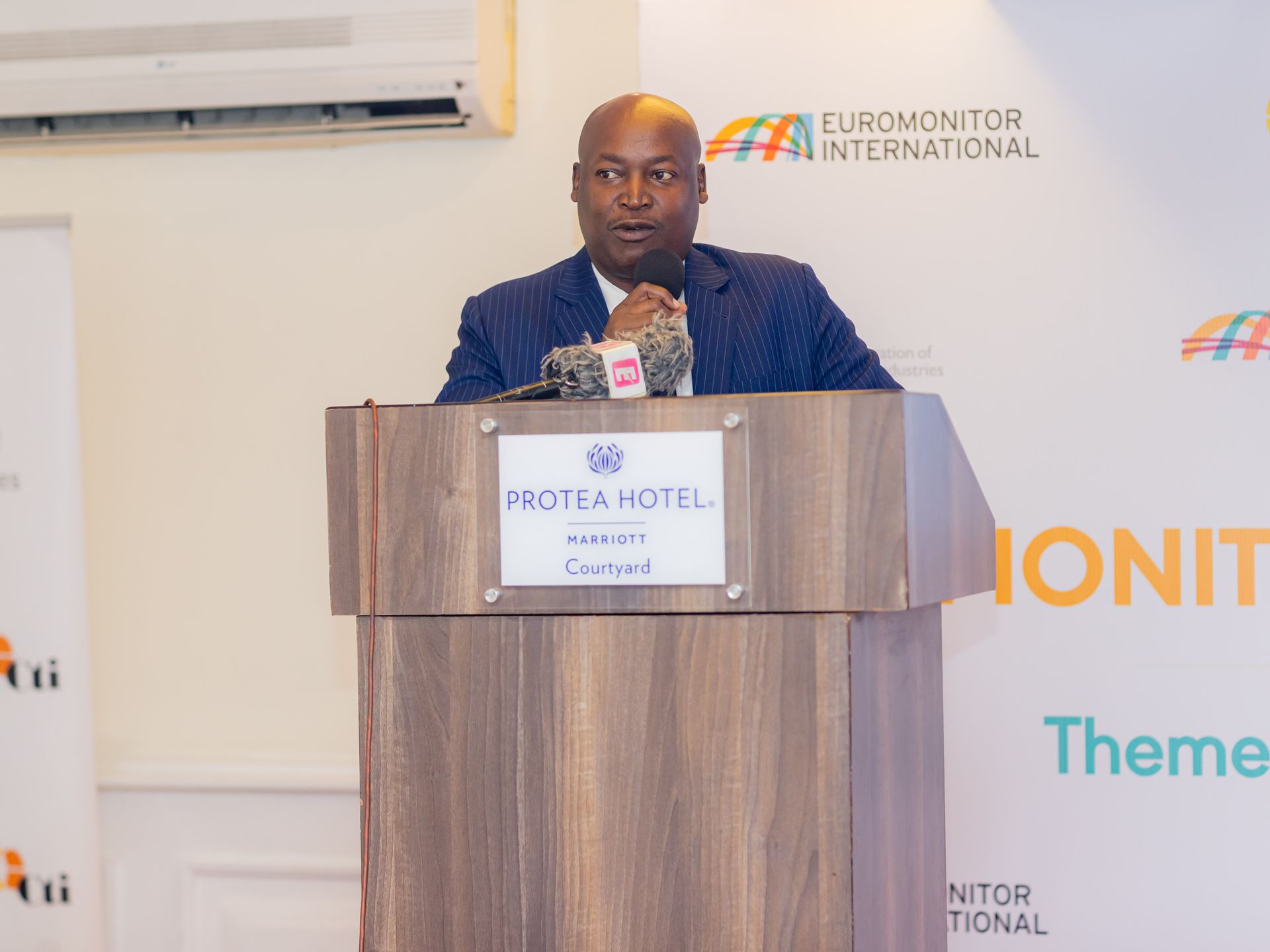
“The loss of more than TZS 1 trillion every year due to illicit alcohol undermines the Government’s ability to finance essential social services and protect the health of citizens. This study provides critical evidence to inform policy decisions and strengthen collaboration between the Government and stakeholders,” he said.
Public health at risk
Beyond revenue, the study highlights the severe health risks associated with illicit alcohol. Unsafe production methods, lack of quality control, and contamination with toxic substances significantly increase the risk of poisoning, long-term illness, disability, and preventable deaths. Alarmingly, the illicit alcohol market is growing faster than the legal sector, amplifying these dangers.
Despite widespread awareness of the risks, consumption remains high. The study attributes this to low prices, easy access through informal channels, and social acceptance, underscoring that awareness alone is insufficient to change behavior.
CTI’s role: convening data, dialogue, and solutions
For the Confederation of Tanzania Industries, commissioning the study was a strategic step aligned with its mandate to address systemic challenges facing Tanzanian industries through evidence-based engagement. CTI Executive Director, Leodegar Tenga, noted that the illicit nature of the trade has long obscured its true scale.

“Without reliable data, it is difficult to design effective interventions. This study was commissioned to close the information gap, reveal the true scale of the problem, and support the Government and other stakeholders in taking evidence-based action,” Tenga said.
By bringing together government institutions, private sector players, researchers, and development partners, CTI continues to position itself as a neutral platform for dialogue, focused on practical solutions that protect consumers, strengthen industries, and support national development goals.
Credible data for policy action
Given the hidden nature of illicit trade, Euromonitor International employed a mixed research methodology, combining extensive fieldwork, stakeholder interviews, and consumer surveys.
“Because illicit alcohol is not captured in official systems, we relied on extensive field research and consumer insights to build a comprehensive and comparable picture of the market over time,” said Benjamin Rideout, Euromonitor International consultant.
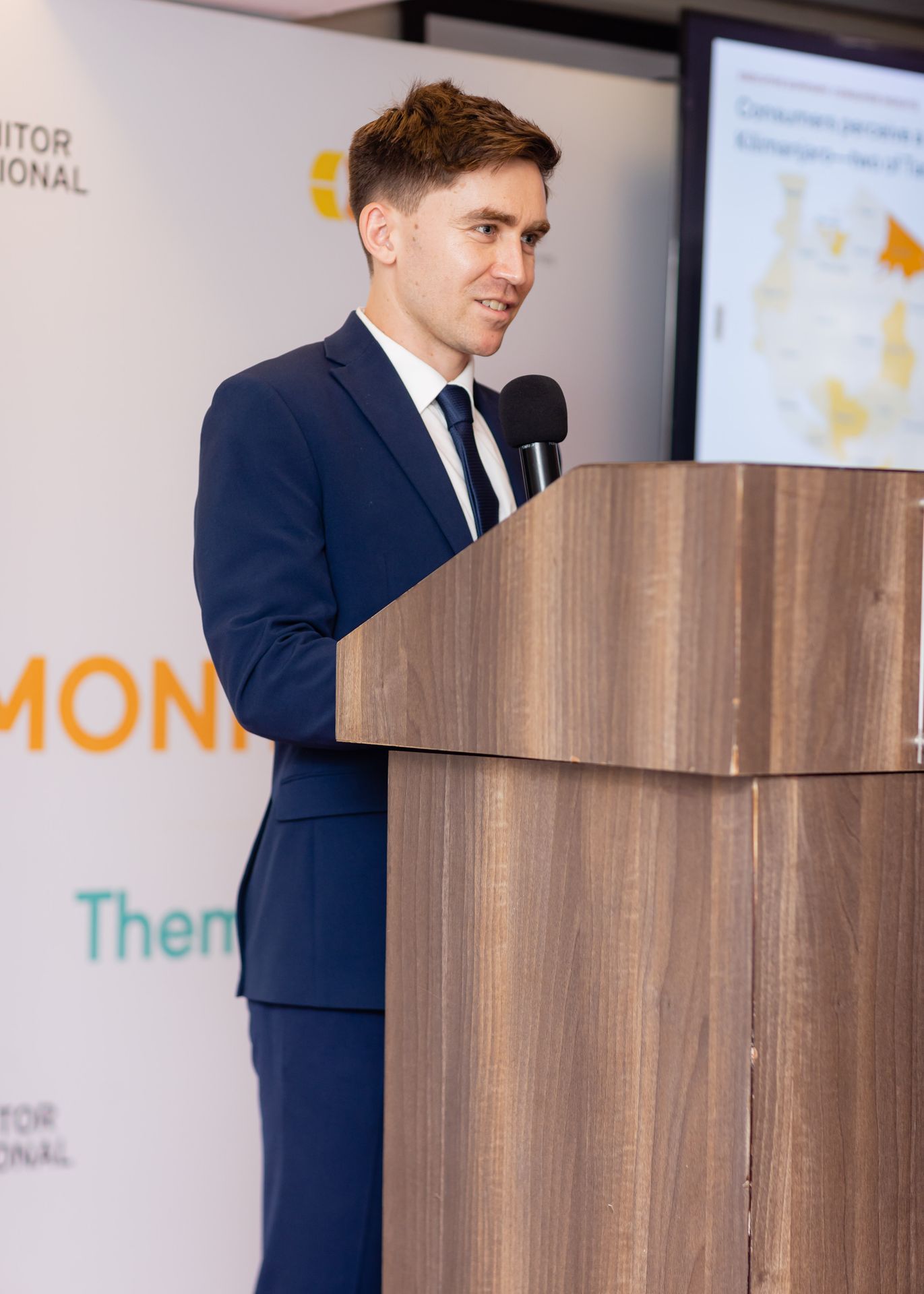
The study provides policymakers with one of the most detailed assessments to date of how illicit alcohol is produced, distributed, and consumed in Tanzania.
Shared responsibility, collective action
From the private sector, Serengeti Breweries Limited underscored the importance of collaboration in tackling the issue.
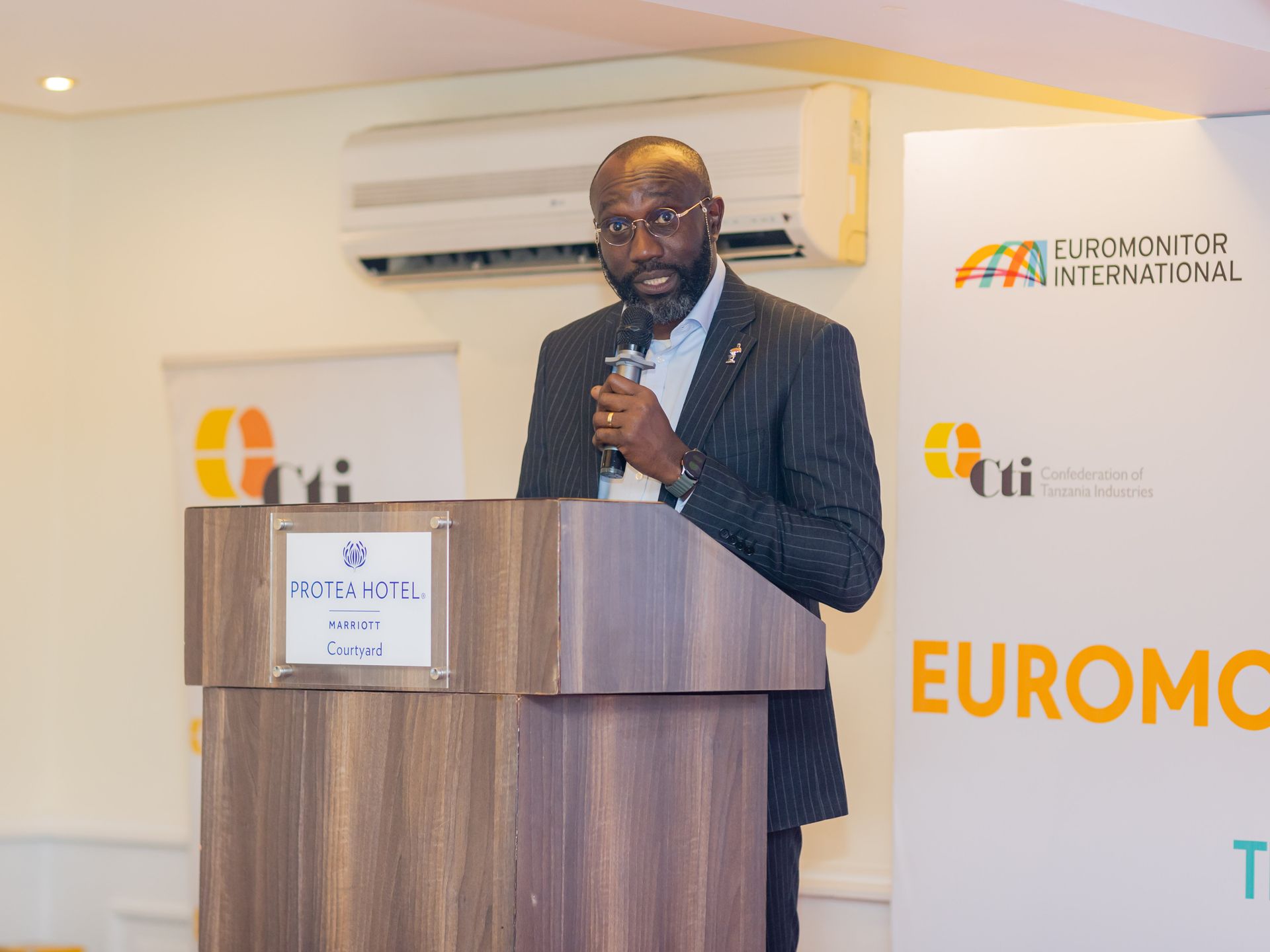
“Illicit alcohol endangers consumers’ lives, reduces government revenue, and undermines businesses that comply with the law. Our participation in this study contributes to strengthening evidence-based dialogue and supporting the development of sustainable solutions,” said Obinna Anyalebechi, Managing Director of SBL.
The study recommends a multi-pronged response, including stronger ethanol regulation, enhanced border and internal enforcement, expanded consumer awareness, and wider adoption of technology such as electronic tax stamp verification systems.
Looking ahead
As Tanzania pursues its Vision 2050 and an industrialized, middle- to high-income economy, addressing illicit alcohol is increasingly seen as both a public health imperative and an economic necessity. The study’s findings make clear that no single actor can solve the problem alone.
Through initiatives like this research and stakeholder engagement, CTI continues to champion collaborative, data-driven solutions, ensuring that industry growth goes hand in hand with public welfare, fair competition, and sustainable national development.

The conversation, stakeholders agree, has only just begun. Get your copy of the report here: https://fromsmash.com/Euromonitor-Illicit-Alcohol-Report-Tanzania-2026
Illicit Alcohol Costs Tanzania Over TZS 1 Trillion Annually, New Study Finds